How to Create More Privacy in a New-Build Garden
New-build gardens are often modern, bright and easy to maintain, but they can sometimes feel a little exposed. Nearby windows, low boundaries and neighbouring patios may make it difficult to fully relax outdoors.
The good news is that privacy does not have to mean building a tall wall or making the garden feel dark and enclosed. With thoughtful design, planting and carefully positioned features, you can create a more private and comfortable outdoor space while keeping it open, stylish and full of natural light.
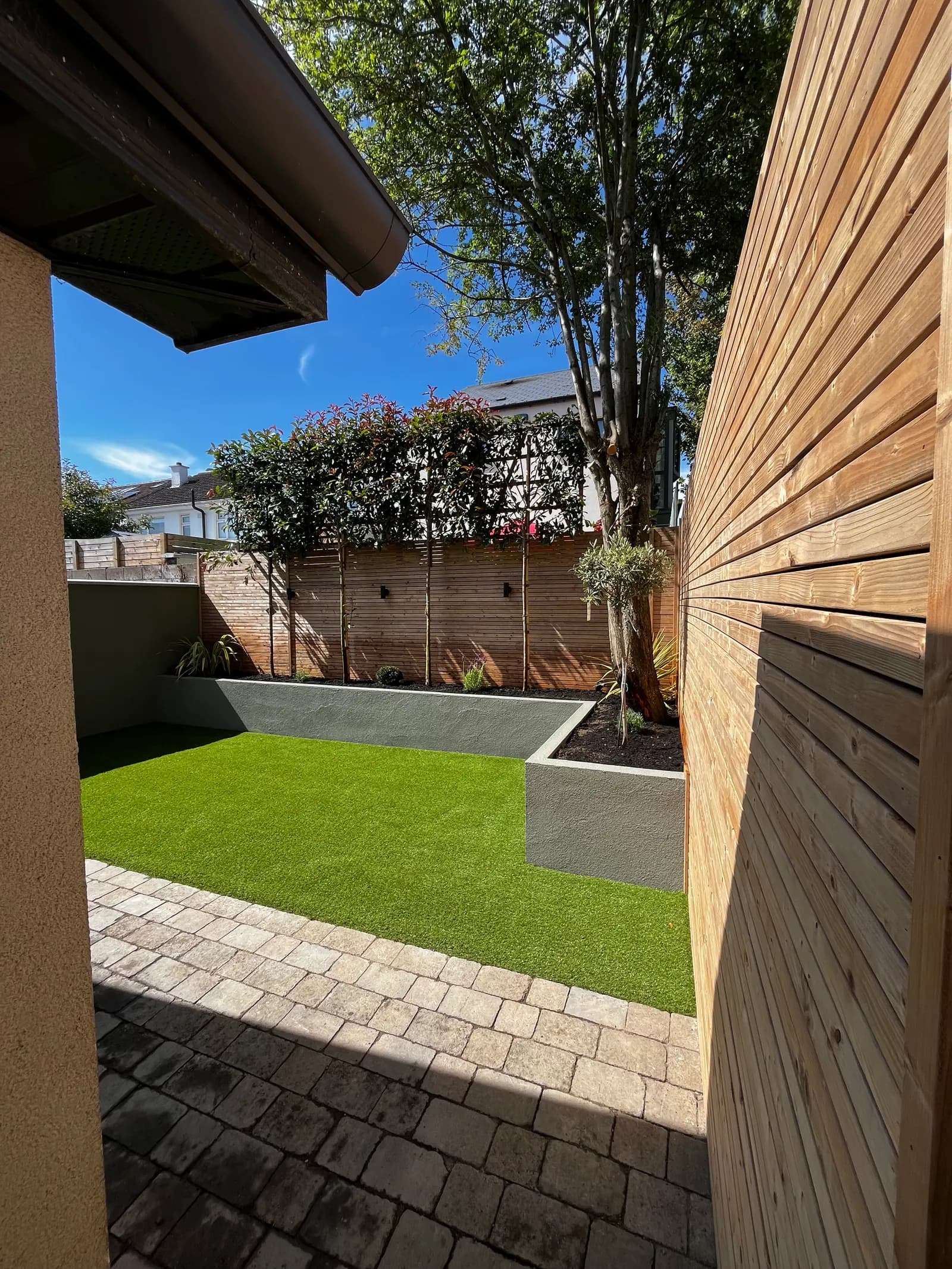
Tall trees, hedging and layered planting are among the most attractive ways to create privacy in a garden. They soften the boundaries, add colour and movement, and help screen neighbouring windows without making the space feel closed in.
Pleached trees are particularly effective in new-build gardens because their raised foliage provides screening at a higher level while leaving valuable space underneath. Evergreen hedging, ornamental grasses and climbing plants can also be used to create additional coverage throughout the year.
The right plants should always be chosen with their mature height, root spread and maintenance requirements in mind. Their position in relation to neighbouring properties, paving, drainage and garden structures should also be considered before planting.
It is not always necessary to screen the entire garden. Often, the best solution is to create privacy around the areas you use most, such as the patio, dining area, hot tub or outdoor seating space.
Carefully positioned screens, planting or raised beds can help interrupt direct sightlines from neighbouring homes. This creates a more intimate atmosphere while allowing the rest of the garden to remain bright and open.
Focusing on individual zones can also make a smaller garden feel more organised and spacious.
Timber slats, composite panels and decorative screens can become part of the overall garden design rather than looking like a separate barrier.
They can be used behind a seating area, alongside an outdoor kitchen or around a relaxation zone. Combining screening with lighting, planting or raised flower beds creates a softer and more finished appearance.
The height, position and construction of any screen should be considered carefully. Depending on the design, it may be treated as fencing, a wall or part of another garden structure for planning purposes.
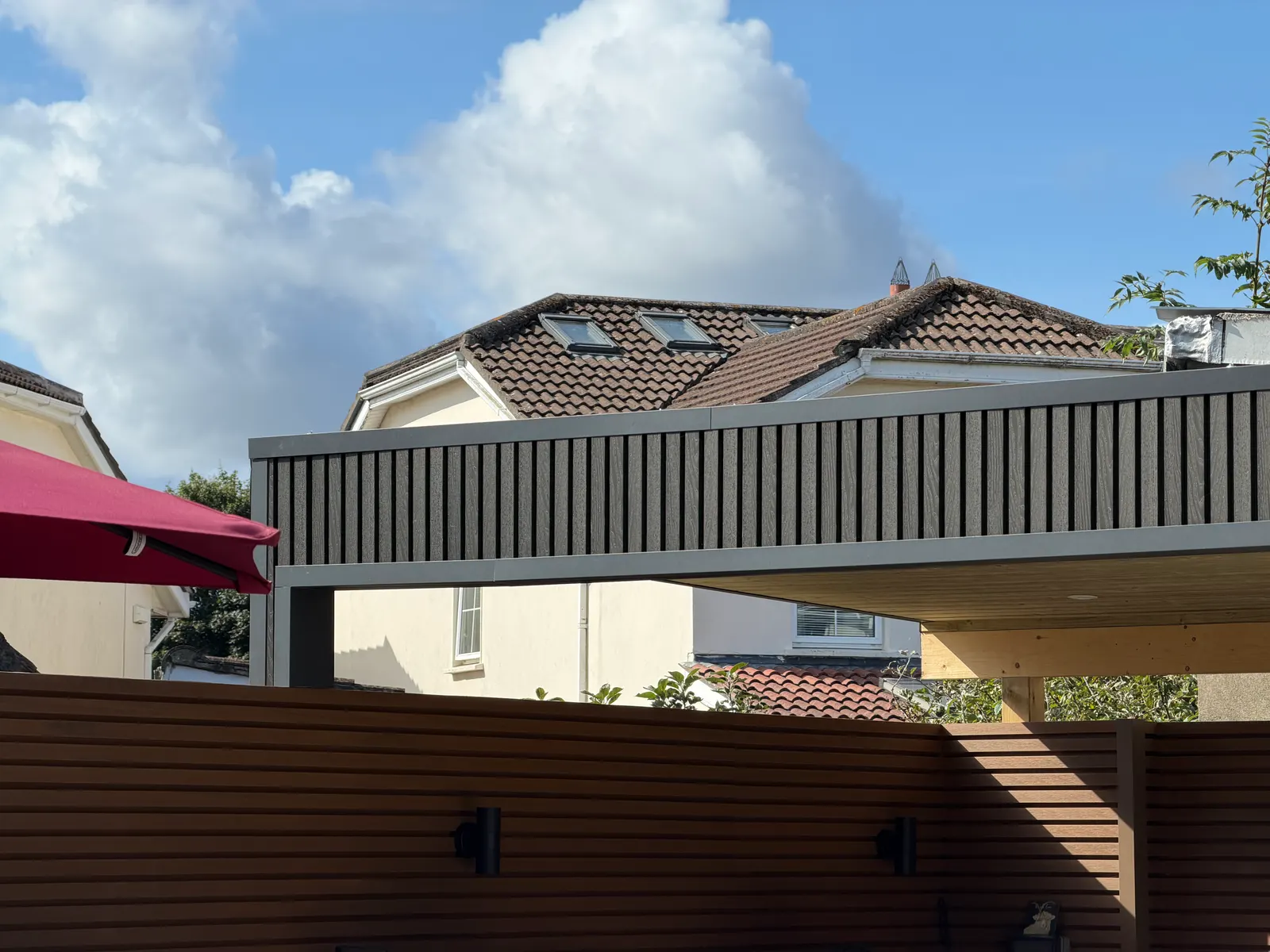
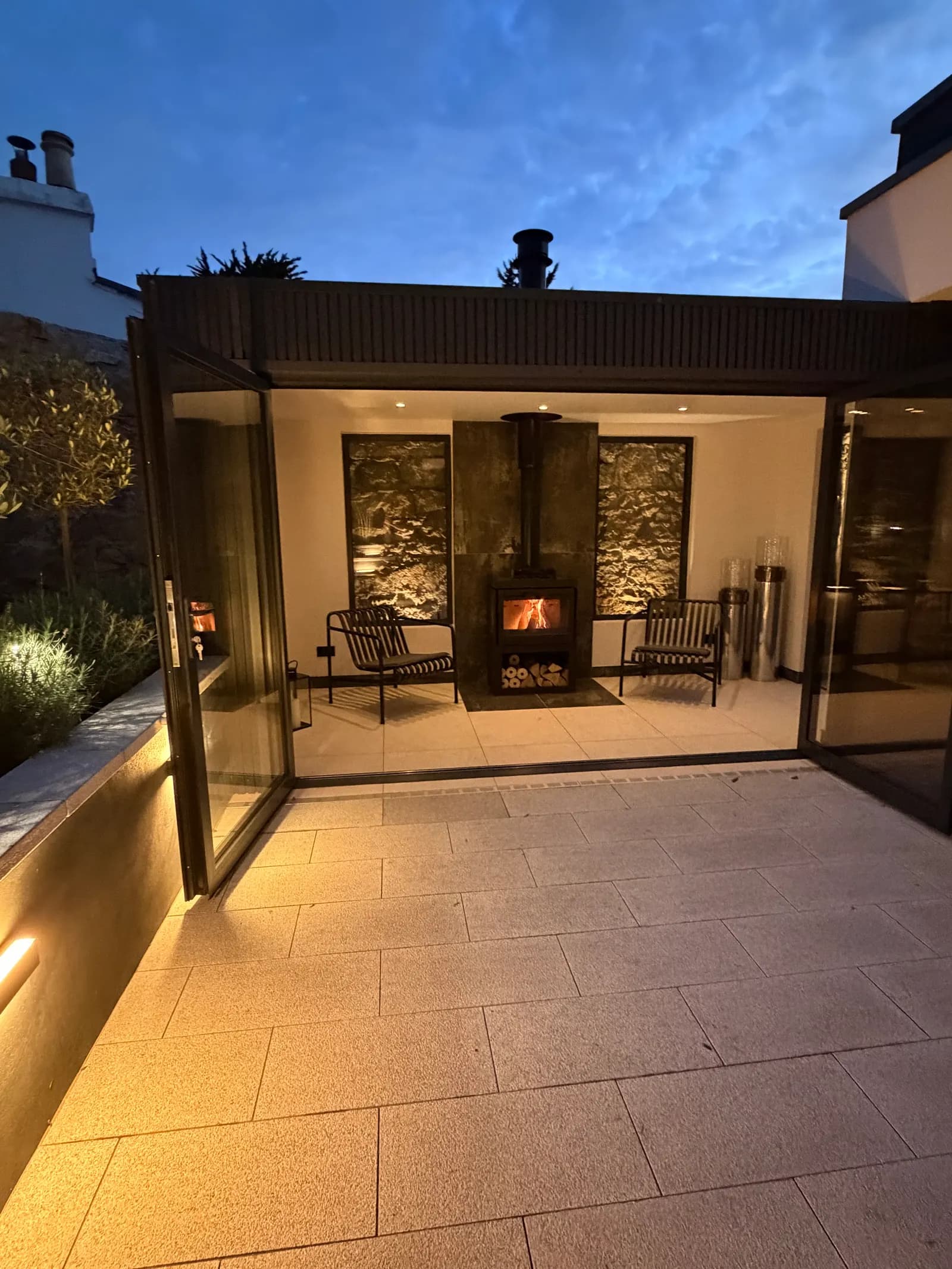
A pergola can create a sheltered and more private outdoor area while adding character to the garden. Side panels, timber battens, planting or adjustable screens can provide extra protection from neighbouring views and changing weather.
Pergolas and covered structures may be exempt from planning permission in some circumstances, but this depends on factors such as their height, size, location and the other structures already present in the garden.
Every property is different, so the relevant requirements should be checked before construction begins.
Updating an existing boundary can make a significant difference to both privacy and the overall appearance of the garden.
In many Irish homes, walls and fences at the side or rear of the property can generally be constructed up to certain limits without planning permission. However, different rules may apply depending on the location, the original planning permission for the development and any conditions connected with the property.
Before replacing or altering a boundary, it is also important to establish who owns it. Shared boundaries should be discussed with the neighbouring property owner before any work begins.
Good privacy design is not only about height. The position of each feature can be just as important.
A seating area can be moved away from the most overlooked part of the garden. Raised beds can direct attention towards planting instead of neighbouring properties. A garden room or another permitted structure may sometimes help create a more sheltered layout when positioned appropriately.
A well-designed garden uses several smaller elements together rather than relying on one large privacy barrier. HomeZone Garden Team
Planning exemptions and property restrictions can vary. Additional requirements may apply to protected structures, shared boundaries, properties managed by an owners’ management company or homes with specific conditions attached to their original planning permission. You can read more about the 2026 planning changes in our earlier article.
For this reason, every garden should be assessed individually. Where there is any uncertainty, homeowners should contact their local planning authority or seek advice from a suitably qualified professional before work begins.
Privacy can completely change how a garden feels. With carefully selected trees, planting, screening and thoughtful positioning, even an exposed new-build garden can become a comfortable and welcoming outdoor retreat.
HomeZone Garden creates bespoke garden designs tailored to each property, lifestyle and available space. Our team can help you explore practical privacy solutions that complement your home without making the garden feel smaller or darker.
Would you like to create a more private and relaxing garden? Contact HomeZone Garden to discuss the possibilities for your outdoor space.
This article provides general information only. Planning requirements, property conditions and boundary arrangements vary, so they should always be checked for the individual property before work begins.
Planning a garden project in Dublin or surrounding areas? Contact HomeZone Garden and send us a few photos of your space.