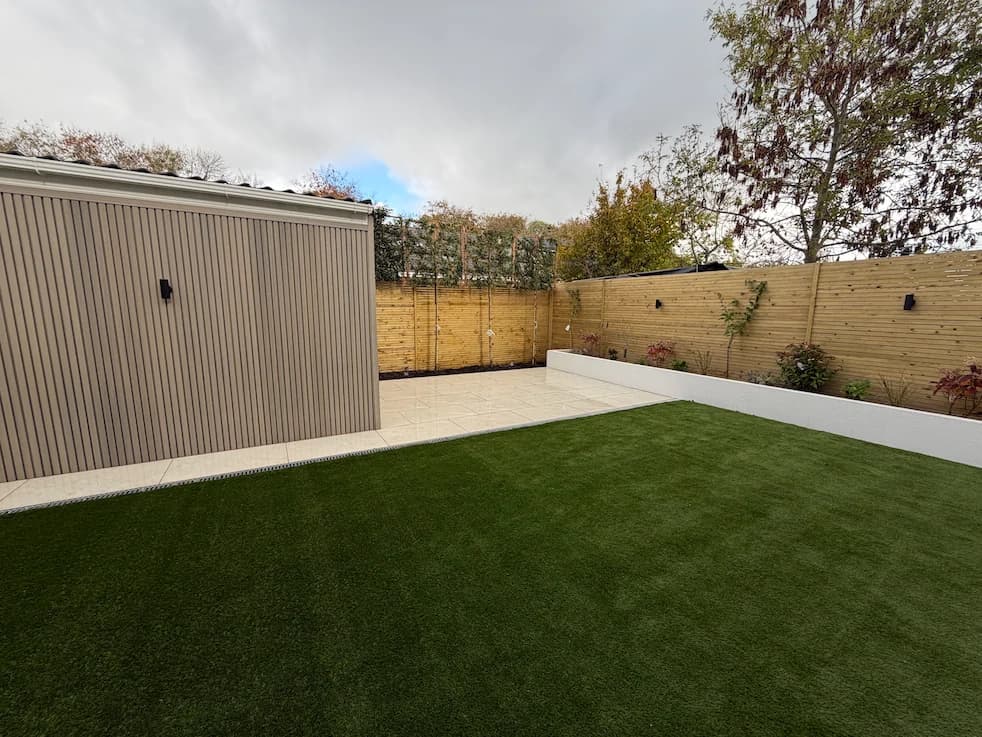
Composite Cladding vs Timber Cladding: Which Is Right for Your Garden Project?
When choosing cladding for a garden room, outdoor kitchen, garden office, pergola or feature wall, one of the most common questions we hear at HomeZone Garden is:
Should I choose Composite Cladding or Timber Cladding?
The truth is that there isn’t one “best” option. Both materials can create a stunning finish and both have their own advantages depending on your budget, maintenance preferences and the overall look you want to achieve.
In this guide, we’ll explain the key differences between Composite and Timber Cladding, helping you make the right choice for your outdoor space.
There is something special about natural wood.
Timber cladding offers an authentic, warm and character-filled appearance that simply cannot be completely replicated by any manufactured product. Every board has its own grain pattern, texture and personality, giving your project a truly unique finish.
Timber works beautifully in:
Many homeowners choose timber because they love how natural materials blend into Irish gardens and landscapes.
Because timber is a natural material, it responds to weather conditions.
Ireland’s climate brings rain, moisture, wind and occasional strong UV exposure during summer months. Over time, untreated timber can fade, weather and gradually change colour.
To keep timber looking its best, we recommend:
The exact maintenance schedule depends on the timber species, exposure to sunlight and the finish selected.
The good news is that quality timber can last for decades when properly maintained. Cedar and other durable species are particularly well suited to Irish conditions.
Composite cladding has become increasingly popular in Ireland over recent years.
Manufactured from a combination of recycled wood fibres and modern polymers, composite cladding is designed to provide the appearance of wood while significantly reducing ongoing maintenance requirements.
Today's premium composite products offer impressive wood-effect textures and contemporary finishes that look fantastic on:
For many busy homeowners, this is the biggest advantage.
Unlike timber, composite cladding generally does not require routine sealing, oiling or repainting.
Ireland's climate is one of the most important factors when selecting exterior materials.
Natural timber performs very well when correctly installed and maintained. Certain species, such as Western Red Cedar, have natural resistance to moisture and decay.
However, timber naturally expands and contracts as moisture levels change and may require treatment to preserve its original appearance.
Composite cladding was specifically developed to handle challenging outdoor conditions. It offers excellent resistance to moisture, rot, UV exposure and temperature fluctuations.
For homeowners looking for the least amount of upkeep, composite often has the advantage.
In many cases, timber cladding has a lower initial purchase cost than premium composite cladding. However, ongoing maintenance costs should also be considered.
With timber, future expenses may include:
Composite generally requires less ongoing maintenance, which can reduce long-term upkeep costs.
At HomeZone Garden, we genuinely like both options.
Timber cladding delivers unmatched natural beauty and warmth, while composite cladding offers exceptional convenience and durability.
Neither is better for every project. The right choice depends on your priorities, budget and how much maintenance you're happy to undertake in the years ahead.
Our team can help you choose the perfect cladding solution for your garden room, pergola, outdoor kitchen or garden makeover project.
Thinking about upgrading your outdoor space?
Contact HomeZone Garden today for expert advice on Composite and Timber Cladding solutions across Dublin, Kildare, Wicklow, Meath and surrounding areas.
Planning a garden project in Dublin or surrounding areas? Contact HomeZone Garden and send us a few photos of your space.